
by Bret Helenius, contributing writer
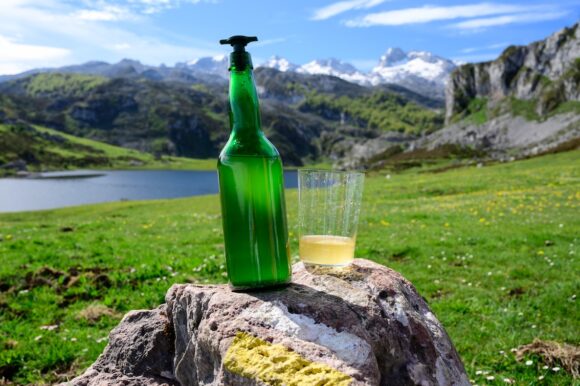
In the northern regions of Spain, particularly Asturias, the word “sidra” evokes much more than the common understanding of “cider.” This alcoholic beverage, made from fermented apple juice, is a cornerstone of the region’s cultural identity and social life, part of a deeply rooted tradition, and distinct from its counterparts in other countries.
The Deep Roots of Sidra
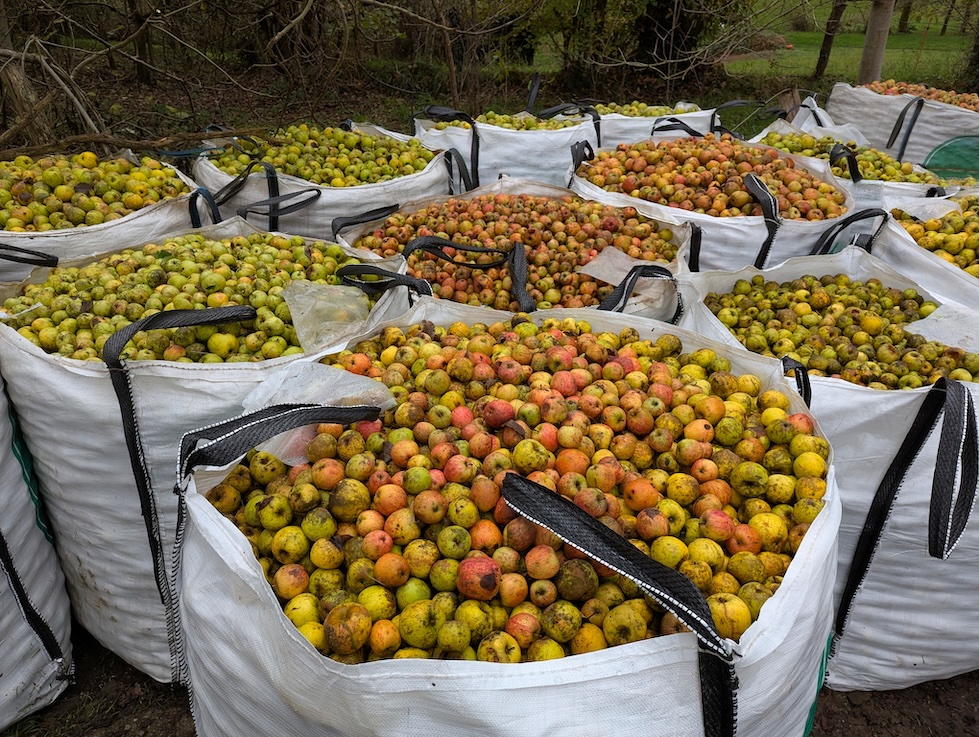
The history of Sidra in Asturias dates back to ancient times and predates the rise of popular ciders enjoyed across Europe. While the exact origins are murky, archaeological evidence suggests apple cultivation and fermentation have been practiced in the Iberian Peninsula for millennia. It is a local product born out of the abundant apple orchards of the region, and its unique production and consumption rituals have set it apart.
 imag3s 4 U / Shutterstock.
 Sidra’s cultural importance is evident throughout Asturias, acting as a social lubricant and a symbol of Asturian pride. It is not merely a drink; it is an institution that shapes the region’s gastronomy, festivals, and communal gatherings.
The Art of Escanciado
Unlike many commercial ciders that are highly carbonated, sweet, or filtered, authentic Asturian Sidra is naturally low in carbonation, dry, and often unfiltered. It possesses a sharp, slightly acidic flavor profile. This difference is key, as its pouring ritual (known as escanciado) is specifically designed to introduce necessary air (oxygen) and carbonation, a process that other commercial ciders do not require.
The most defining and visually striking aspect of Sidra is the ritualistic way it is poured. This technique is crucial for the enjoyment of the drink.
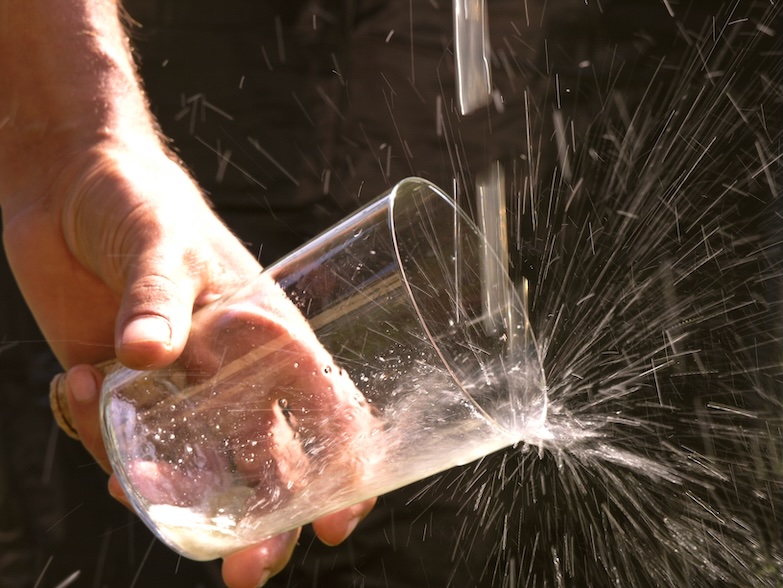
To pour Sidra properly, the person pouring holds the bottle high above their head while keeping the glass low, often near knee height. This dramatic height difference maximizes the distance the Sidra travels through the air, which helps oxygenate the drink and enhance its flavor. Rather than pouring directly into the center of the glass, the liquid is aimed at the side of the glass. This technique creates a brief natural fizz, known as espicha, which gives the Sidra its lively texture and characteristic taste.
 imag3s 4 U / Shutterstock
 In bars, where the constant need for perfect pouring can be cumbersome, specialized Sidra dispensers are often employed. These mechanical devices mimic the high-altitude pouring, ensuring the beverage is properly aerated for every serving, thus preserving the characteristic taste and texture.
The Sidra Museum in Oviedo
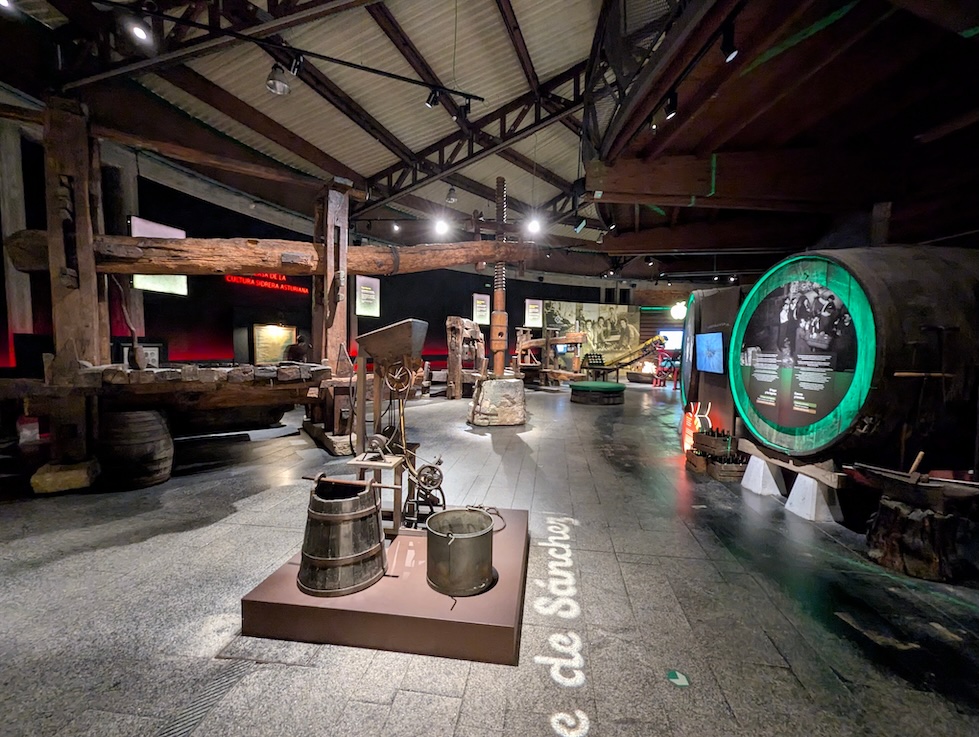
To fully grasp the significance of this drink, visitors can explore the Asturian tradition at the Museo de la Sidra (Sidra Museum) in Nava, a town famous for its annual Sidra festival. Nava is easily accessible from the regional capital, Oviedo.
 imag3s 4 U / Shutterstock.com
 The museum provides an in-depth look at the history, production processes, and cultural impact of Sidra, tracing its journey from the apple orchard to the glass.
Global Recognition
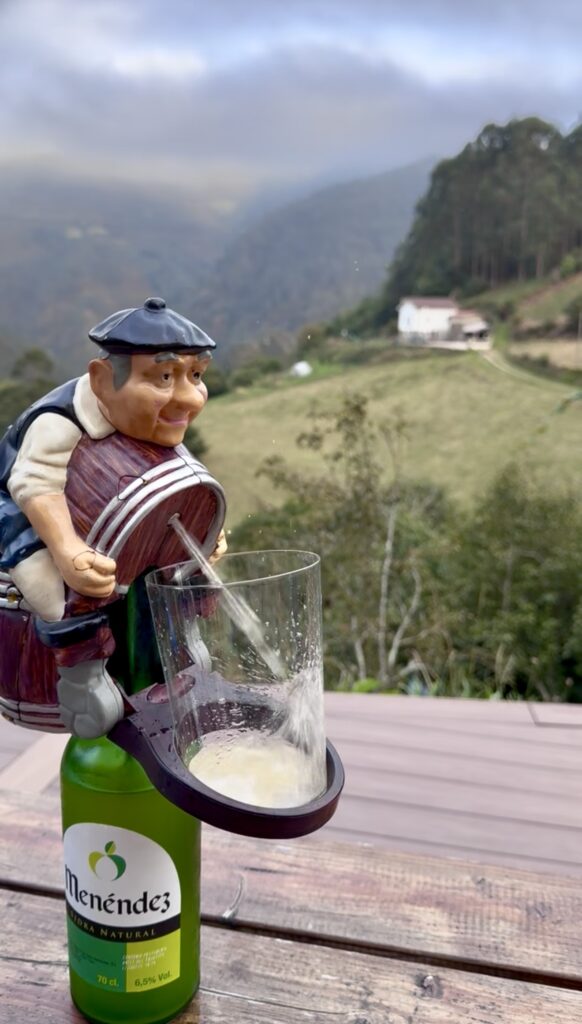 Bret Helenius | Military in Germany
 While Sidra has been a local delicacy for centuries, its presence on the international stage came much later. The first documented exports of Sidra to the USA and England took place in the early 20th century.
These exports helped introduce the unique Asturian beverage to a broader audience, even though the challenging escanciado pouring ritual meant it remained a niche product compared to other alcoholic beverages. Therefore, Sidra cannot be directly compared to many popular ciders in terms of tradition, flavor, or method of consumption.
A Toast to Tradition: Pouring on the Ground
There is a fascinating tradition associated with the last sip of Sidra, where a small amount is deliberately poured onto the floor. Historically, this practice was a gesture of hygiene: the small amount of liquid rinsed the rim of the glass (which is often shared among a group in the Asturian social setting), ensuring the next person drinking from it had a clean edge.
This tradition is also the reason many bars in Asturias, known as sidrerías, are covered in sawdust. The sawdust helps to absorb the frequent splashes and discarded portions of Sidra, maintaining a cleaner, albeit rustic, environment while celebrating the unique pouring custom.
Sidra remains an irreplaceable element of Northern Spain’s cultural fabric, a centuries-old testament to regional identity and a celebration that is best experienced glass by glass, shared among friends.
 Mazur Travel .Shutterstock
 Getting to Asturias
Flights from Germany to Oviedo are easily available from most major airports. Nava is approximately a 30-minute drive from Oviedo.
Featured image by barmalini / Shutterstock.com